


Mushrooms for Autoimmune Disease: What Research Says
Mushrooms for autoimmune disease may help regulate immune response & reduce inflammation. Discover research-backed benefits & best varieties to try.

In this article
- Understanding Autoimmune Diseases and Their Challenges
- The Role of Mushrooms in Traditional Medicine Practices
- Key Compounds in Mushrooms and Their Effects on the Immune System
- Current Research on Mushrooms and Autoimmune Disorders
- Potential Risks and Considerations for Mushroom-Based Therapies
- Frequently Asked Questions
- Conclusion
Mushrooms for autoimmune disease may offer promising support by helping regulate immune responses. Varieties like Reishi and Maitake contain beta-glucans and triterpenoids, compounds known to modulate immune function and reduce inflammation. Research suggests that these mushrooms may help balance an overactive immune system without overstimulating it. However, it's important to be mindful of potential interactions with medications or sensitivities. As research continues, mushrooms could play a key role in holistic autoimmune management. Explore how they may fit into your wellness routine.
Understanding Autoimmune Diseases and Their Challenges
Autoimmune diseases, a group of disorders where the immune system mistakenly attacks the body's own cells, pose significant challenges in both diagnosis and management.
You're likely to encounter complexity in identifying autoimmune triggers since they vary widely among individuals. These triggers might include environmental factors, infections, or genetic predispositions.
Effective disease management requires a methodical approach, focusing on reducing inflammation and preventing flare-ups. It's essential to work closely with healthcare professionals to tailor strategies that suit your specific condition.
This involves monitoring symptoms, adjusting treatments, and possibly incorporating lifestyle changes. By understanding the unique nature of autoimmune diseases, you can better navigate the intricacies of managing them, ultimately aiming to improve your quality of life and minimize disease impact.
The Role of Mushrooms in Traditional Medicine Practices
Although mushrooms have long been celebrated for their culinary uses, their role in traditional medicine practices spans centuries and cultures, offering a fascinating glimpse into natural healing.
In diverse regions, mushroom folklore highlights their revered status, often attributing mystical properties and healing powers. Ancient remedies frequently employed mushrooms like reishi and shiitake, believed to promote longevity and liveliness.
You'll find that various cultures utilized these fungi to treat ailments ranging from inflammation to fatigue, reflecting a deep understanding of their potential benefits. Ancient texts document their use in balancing bodily energies, supporting immune health, and enhancing overall well-being.

This rich history underscores the importance of mushrooms in traditional healing, providing a foundation for modern scientific exploration into their therapeutic potential.
Key Compounds in Mushrooms and Their Effects on the Immune System
Exploring the historical significance of mushrooms in traditional medicine naturally leads us to contemplate the specific compounds that contribute to their reputed health benefits.
Key compounds such as beta-glucans, triterpenoids, and polysaccharides play pivotal roles in immune modulation. Beta-glucans, found in mushrooms like Reishi and Shiitake, interact with immune cells, enhancing their response to pathogens.
Triterpenoids, another component, exhibit anti-inflammatory properties, vital for regulating an overactive immune system. Polysaccharides bolster immune function by promoting cytokine production, essential for cell signaling in immune responses.
Current Research on Mushrooms and Autoimmune Disorders
Recent studies reveal a growing interest in the potential of mushrooms to manage autoimmune disorders. Researchers are focusing on how different mushroom varieties might modulate immune responses.
Species like Reishi, Cordyceps, and Maitake are under scrutiny for their bioactive compounds that could influence immune pathways. Clinical studies have started to explore these effects, with some trials indicating promising results in reducing inflammation and regulating immune activity.

For example, early-stage studies on Reishi show potential in balancing immune function in disorders such as rheumatoid arthritis. Additionally, Cordyceps has been examined for its ability to improve symptoms in lupus patients.
While findings remain preliminary, these investigations highlight the need for more extensive and controlled clinical studies to establish efficacy and safety profiles.
Potential Risks and Considerations for Mushroom-Based Therapies
As interest in the potential benefits of mushrooms for autoimmune disorders grows, it's important to contemplate the potential risks and considerations associated with their use.
When evaluating mushroom safety, you should be mindful of possible allergic reactions and interactions with medications. Certain mushrooms contain compounds that could exacerbate autoimmune symptoms in some individuals.

Dosage concerns are vital; consuming mushrooms in excessive amounts might lead to toxicity or adverse effects. It's essential to follow evidence-based guidelines and consult healthcare professionals to determine appropriate doses tailored to your condition.
Additionally, the quality and source of mushroom supplements can vary, so choose reputable brands that provide transparent ingredient information.
Methodical assessment of these factors guarantees the safe integration of mushrooms into therapeutic regimens.
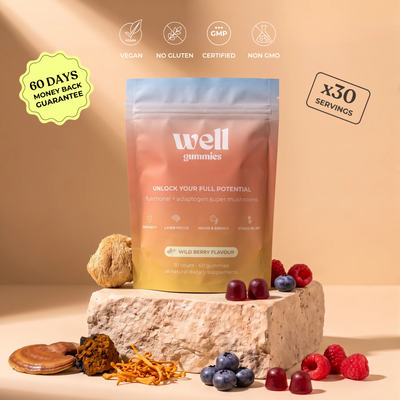
10-IN-1 MUSHROOM GUMMIES
Frequently Asked Questions
How Can I Incorporate Mushrooms Into My Daily Diet for Health Benefits?
Start by adding mushroom recipes to your meals. Aim for at least one daily serving. Incorporate them into salads, soups, or stir-fries. This method guarantees you're getting consistent health benefits from mushrooms in your diet.
Are All Types of Mushrooms Effective for Autoimmune Disease Management?
Not all mushroom varieties are effective for autoimmune disease management. Focus on those known for immune modulation, like reishi and maitake. They contain compounds that can potentially balance immune response, but consult research or a healthcare professional first.
Can Mushroom Supplements Interact With Other Medications for Autoimmune Diseases?
You should carefully consider mushroom interactions when taking supplements alongside autoimmune medications. These interactions can potentially affect medication safety, altering efficacy or causing adverse reactions. Always consult healthcare professionals before incorporating mushrooms into your regimen to guarantee safety.
What Are the Differences Between Fresh and Dried Mushrooms for Medicinal Use?
Fresh mushrooms offer immediate nutrient availability, while drying techniques preserve them for longer use. Drying may concentrate beneficial compounds, but you risk losing some fresh benefits. Understanding these differences helps you choose the best option.
How Long Does It Take to See Benefits From Mushroom-Based Therapies?
You might notice benefits from mushroom-based therapies within weeks, but the exact mushroom timeline varies. Therapy duration depends on factors like the specific mushroom used, dosage, and your body's response. Consistency and monitoring are essential for effectiveness.
Conclusion
In exploring mushrooms for autoimmune disease management, you've seen how these fungi have been integral to traditional medicine. Key compounds like beta-glucans and polysaccharides might modulate immune responses, offering potential benefits. Current research shows promise, but it's still emerging and requires more rigorous studies. While mushrooms could offer novel therapeutic avenues, exercise caution. Consider potential risks and consult healthcare professionals before starting any mushroom-based therapies. Your journey with mushrooms should be informed, careful, and guided by scientific insights.
 10-in-1 mushroom gummiesFrom €41,95
Shop